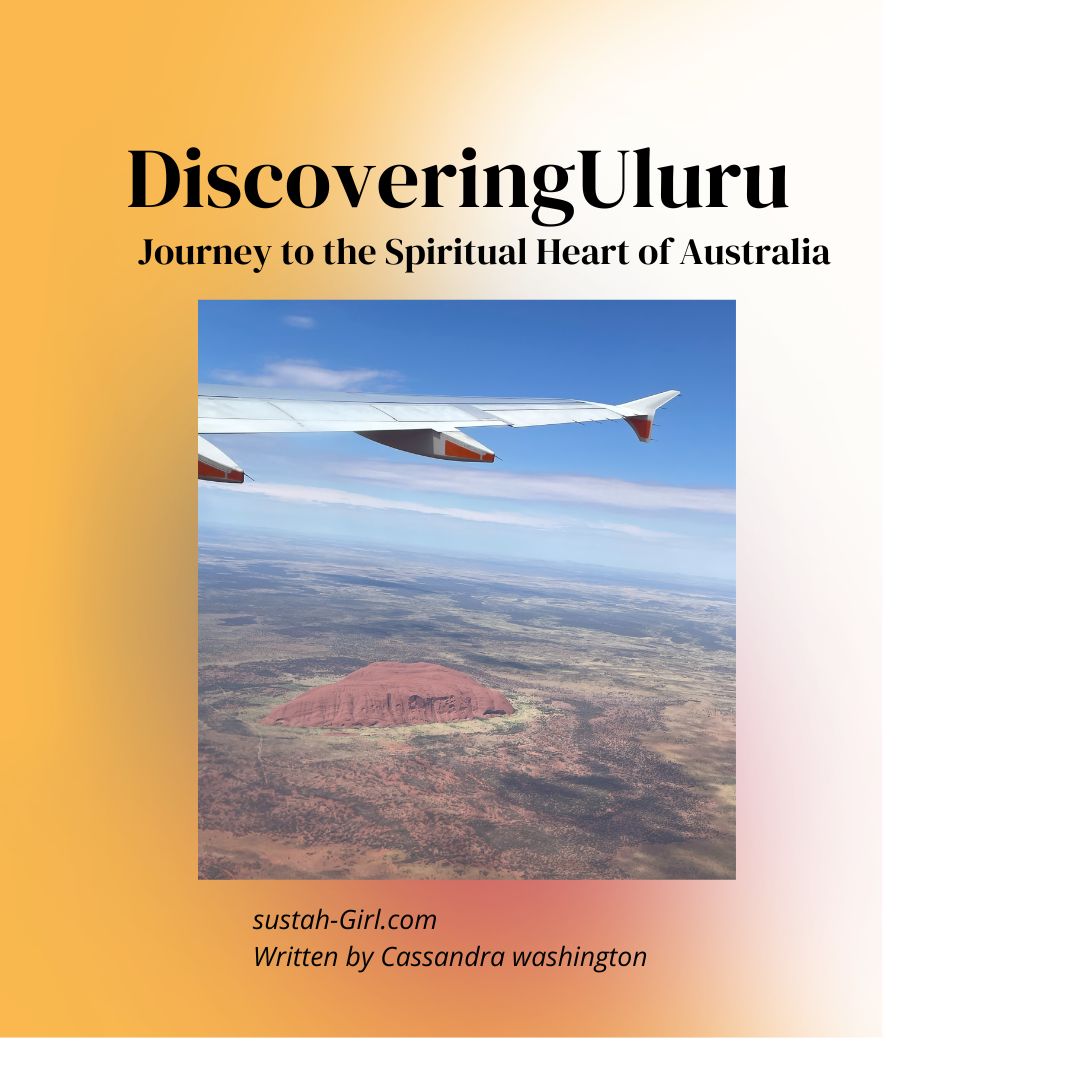
Uluru in the Red Centre
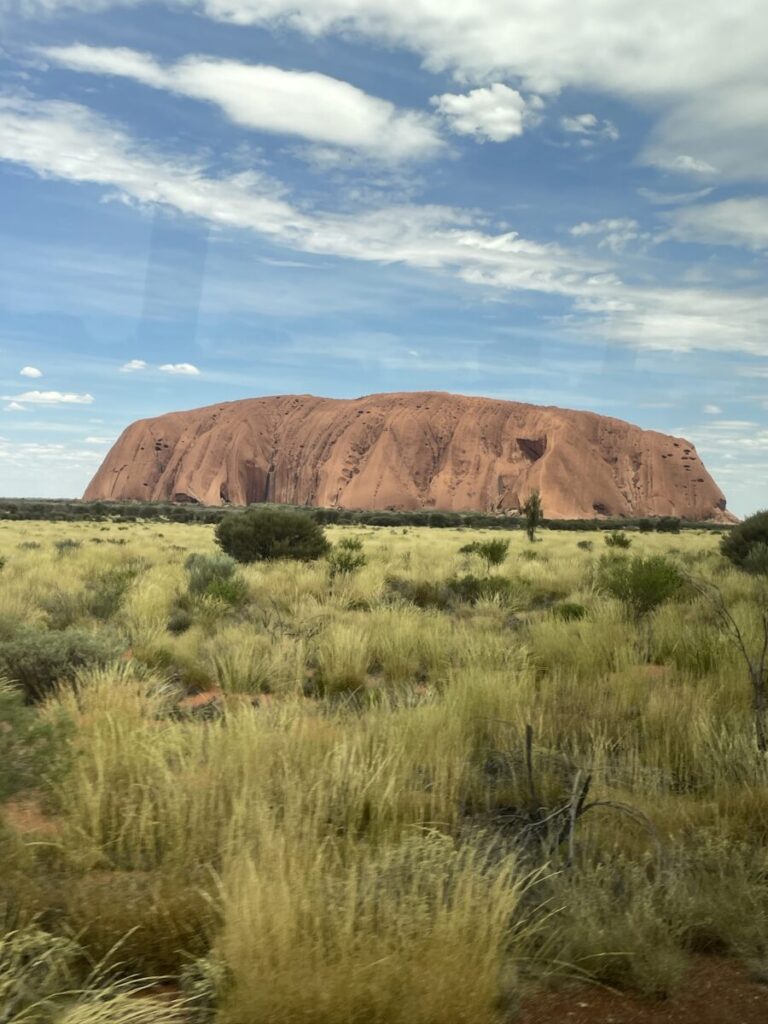
Imagine standing in the absolute center of a continent. The air is still and warm, the vibrant rust-colored dust of the “Red Centre” is beneath your boots, and looming over you is a monolith so massive it feels like its own planet.
Many know it as Ayers Rock, the name given to it in 1873. But to the Anangu people, who have lived in its shadow for over 30,000 years, this sacred place is Uluru.
As a traveler over 50, I’ve visited six continents, and Australia’s Northern Territory holds a special kind of magic. If you are planning a trip to this UNESCO World Heritage site, here is what you need to know to prepare for an extraordinary experience.
The Iceberg of the Desert
One of the most mind-blowing facts about Uluru is that what we see is only the tip. Geologically, it is an Inselberg (an island mountain). I learned something new because I had no idea what an inselberg was. While it stands 348 meters above the ground, the rock actually extends 5 to 6 kilometers deep into the earth.
Formed over 550 million years ago, it is more than just a geological wonder; it is a “living cathedral.” Also, Uluru is a sacred site for the Anangu people.
Book your flights to Australia!
A Lesson in History and Respect
In a landmark move in 1985, the Australian government handed the park back to its traditional owners, the Anangu people. Out of respect for its sacred status, climbing the rock was officially banned in October 2019.
When you visit, you aren’t just looking at a landmark; you are witnessing a physical record of ancestral stories. Every crack, cave, and weather pattern tells a story of the “Dreaming”—the religious and legal philosophy of the Anangu.
Pro-Tip: You will see signs asking you not to take photographs in certain areas. Please be respectful and turn off your camera. These sites are considered sacred, and preserving that privacy is vital to protecting the culture.
Survival Guide: What to Pack
The Red Centre is a harsh environment. To make the most of your trip, follow these “boots on the ground” tips:
- The “Aussie Wave”: If you visit during the Australian summer (North American winter), the flies will drive you nuts! Spend the $5 and buy a head net [09:02]. You may not look cute, but it’s the best money you’ll ever spend.
- The Heat: It gets hot! I’ve felt the heat radiating through the soles of my shoes. Wear light, breathable layers, but bring a jacket for the evening as desert temperatures drop quickly.
- Hydration: Aim for one liter of water per person, per hour of activity.
National Park Pass: Buy your pass online before you arrive to save time.
Exploring the Base of Uluru
While you can no longer climb Uluru, the base walk is a fantastic way to experience its scale. It’s a flat, easy loop of about 6 miles. Walking it allows you to see the unique textures, water-stained grooves, and ancient rock art up close. Stay hydrated during the walk and don’t forget sunscreen for your skin. The sun can be extremely hot.
Join the Adventure
Travel is all about learning—not just about geography, but about the heart and soul of the people who call a place home. Uluru is a place that stays with you long after the red dust has been washed off your boots.
Are you a woman over 50 looking for your next adventure? Follow us on Facebook and Instagram at Sustah-Girl Chroniclesfor more travel and wellness tips! Join our travel and wellness community for women over 50 at Sage Women Wanders on Skool. Thank you for the support.
Watch the YouTube Video Below